

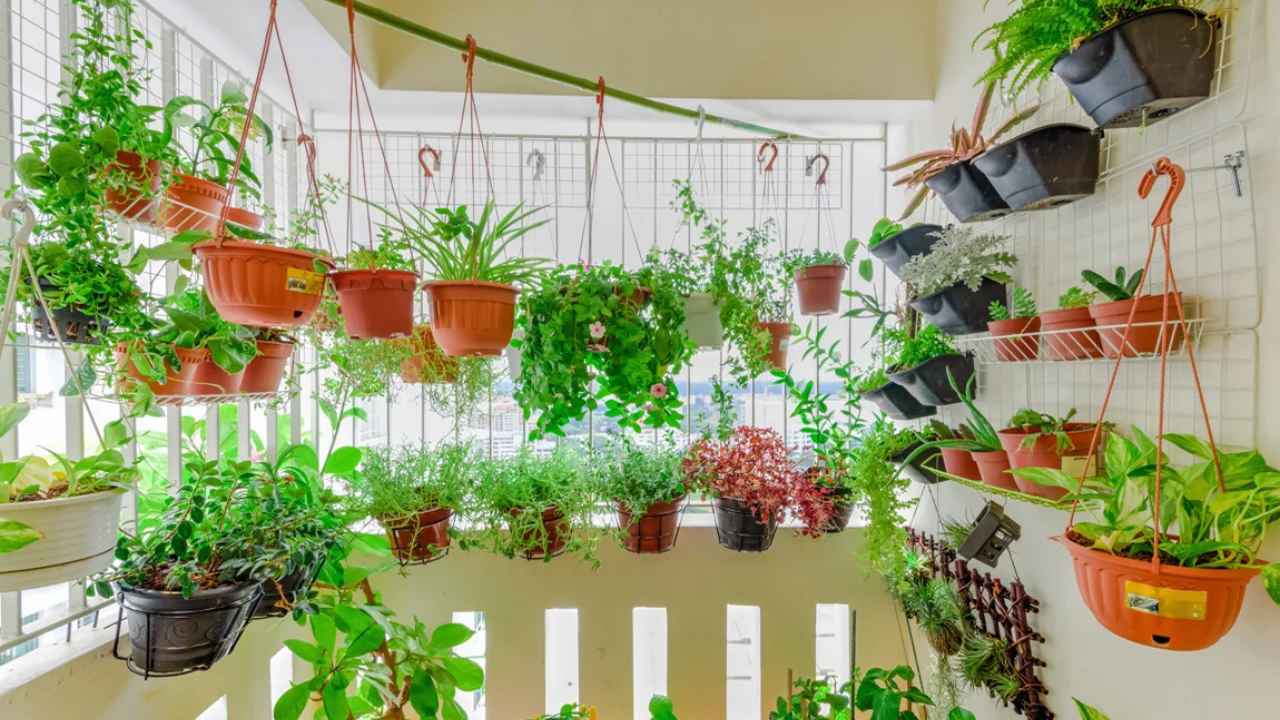
I love cooking food using fresh ingredients. Supermarkets can never add that special feeling to your food in comparison to consuming fresh grown herbs.
That’s why I have collected some of my personally used indoor herb garden ideas so that you can also add fresh flavors to your food everyday. These indoor herb gardens could literally fit into the smallest spaces!
From beautiful hanging planters to small kitchen windowsills, there are various ways to grow your favorite herbs using creative ideas. You won’t even need a backyard or a garden for this, just some containers, little light, and little care.
If you are a beginner, you can grow herbs that last throughout the year like basil, mint, rosemary to name a few. In this guide, I will show you DIY planter ideas, small kitchen garden tips, and even hydroponic setups with my practical knowledge from my own experience.
Let’s dig in!
How to Plant And Set Up Your Indoor Herb Garden
Before going into details of various inside herb garden ideas, I am going to show you some simple steps to keep in mind before beginning as follows:
- Get some containers/pots: Choose some containers/pots that could easily fit your space and have drainage holes with matching saucers preferably.
- Prep the base: Cover the bottom of your containers or pots using garden fabric or a coffee filter to keep the soil from leaving it.
- Use quality potting mix: Add well-draining soil mixed with compost loosely in your containers or pots.
- Choose your herbs: Plant your choice of herb plants or sow seeds as per their recommended depth and space.
- Layer and water: Arrange your herbs such that they have enough space and water them gently but consistently following a schedule.
- Give proper light exposure: Put your containers or pots near your most sunny or bright window for adequate sunlight or use grow lights in case of lack.
Creative Indoor Herb Garden Ideas for Every Home
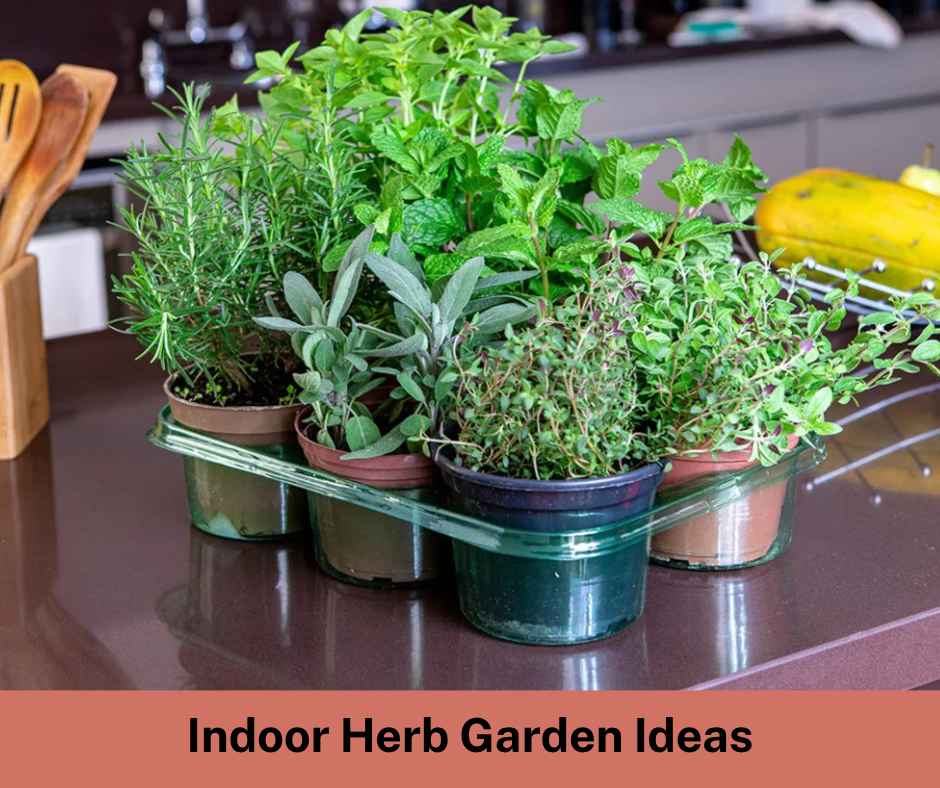
Preparing an indoor herb garden doesn’t need to be hard or expensive! There are many indoor herb garden design options for them including windowsill arrangements, vertical planters, and more. You can choose one of them depending on your home’s decor, space, and gardening tastes.
Windowsill Herb Garden
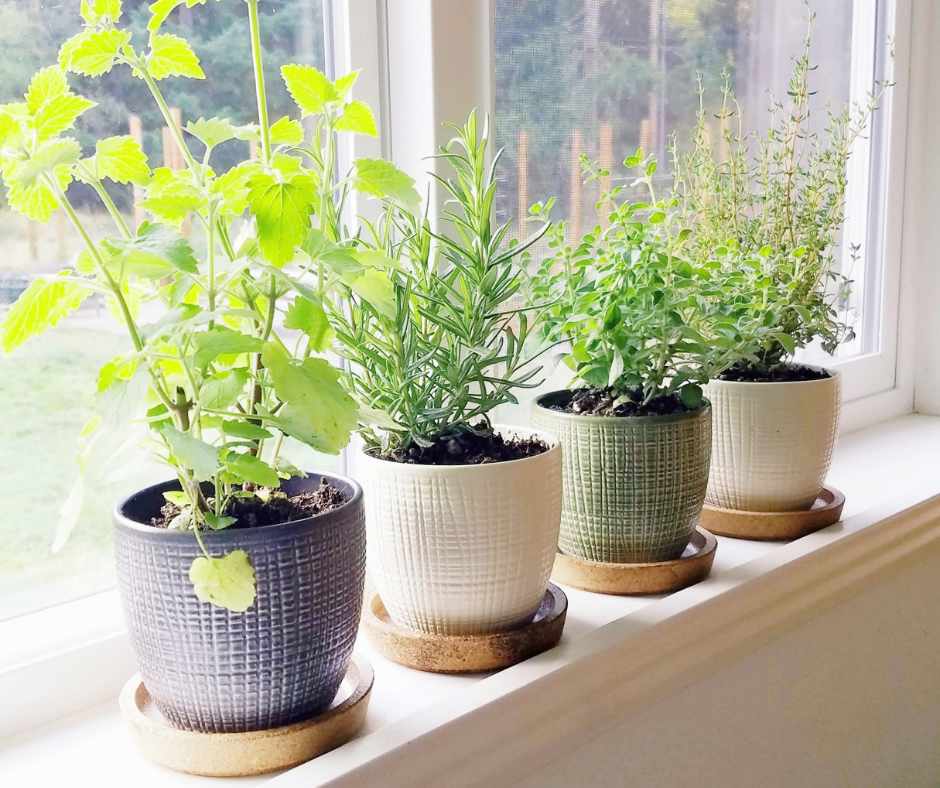
This is the most simple herb garden that will bring fresh greenery in your home. For this, just arrange your small pots of basil, mint, parsley, and thyme on the side of a sunny window. This way they can be easily accessed during the cooking.
In case your windowsill doesn’t have enough space, use narrow rectangle planters or put a single pot separately. Take special care if the window receives lots of sunlight around 6 to 8 hours preferred for the culinary herbs. Additionally, use pots or saucers with drainage holes so that your windowsill doesn’t store excess water.
Vertical Wall Mounted Herb Garden
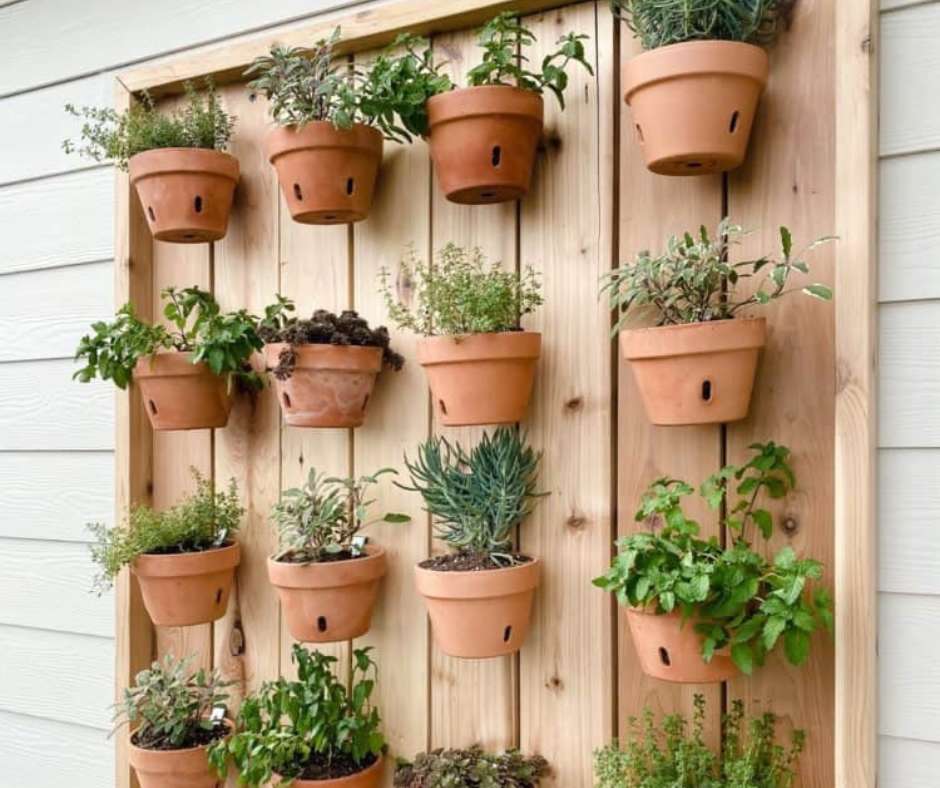
If you are someone who will not like occupying your countertops then a vertical wall-mounted herb garden is the best indoor herb garden for you. Install wooden shelves, wall-mounted planters, or a simple metal railing with Shooks to hold individual pots together.
Another creative idea for creating this is to re-purpose your old wooden pallet or lattice frame (if you have any) to convert into a decorative herb garden. This setup will allow you to arrange your individual pots with separate herbs that could be easily removed for watering and pruning. Place this structure on a wall nearby a sunny window and mount it securely so that it could support the weight of the planters.
Mason Jar And Recycled Container Herb Garden
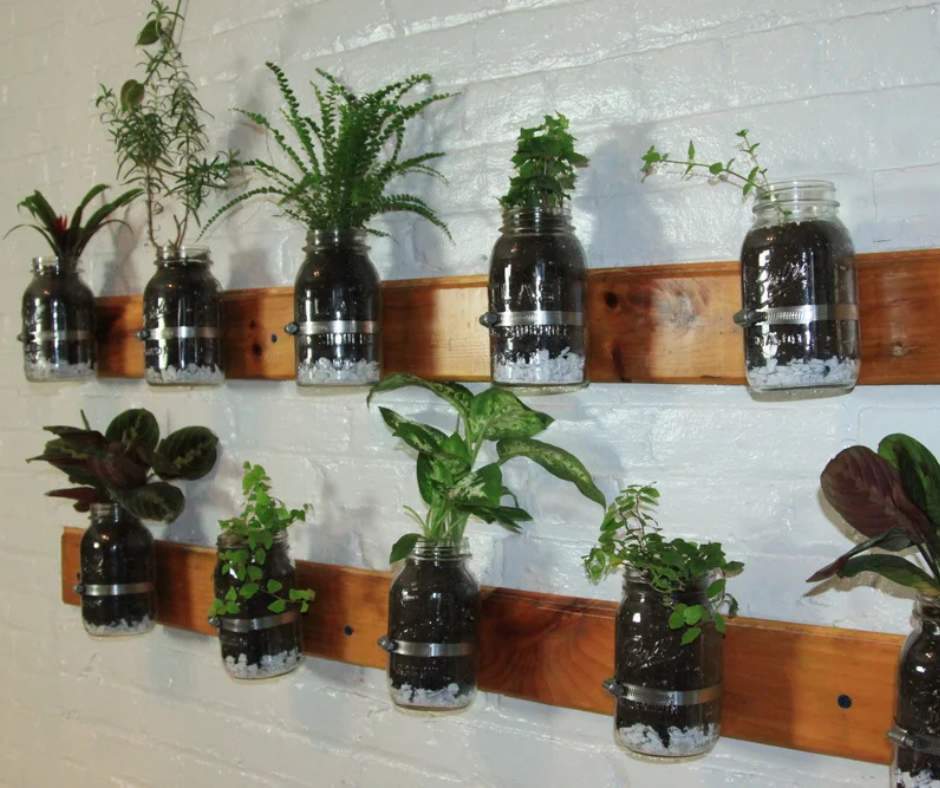
You can reuse your mason jars, tin cans, old mugs, or other household containers as your planters for an affordable and creative indoor herb garden. Create a rustic wall garden by attaching these containers on your kitchen shelf, or attach them on a wooden board.
Add labels with herb names to make it look more organized and accessible. Although, this arrangement has a limitation that these recycled jars or containers usually don’t have drainage holes causing excess moisture. So, use the removable nursery pots within the containers or use containers with proper drainage.
Hanging Indoor Herb Garden
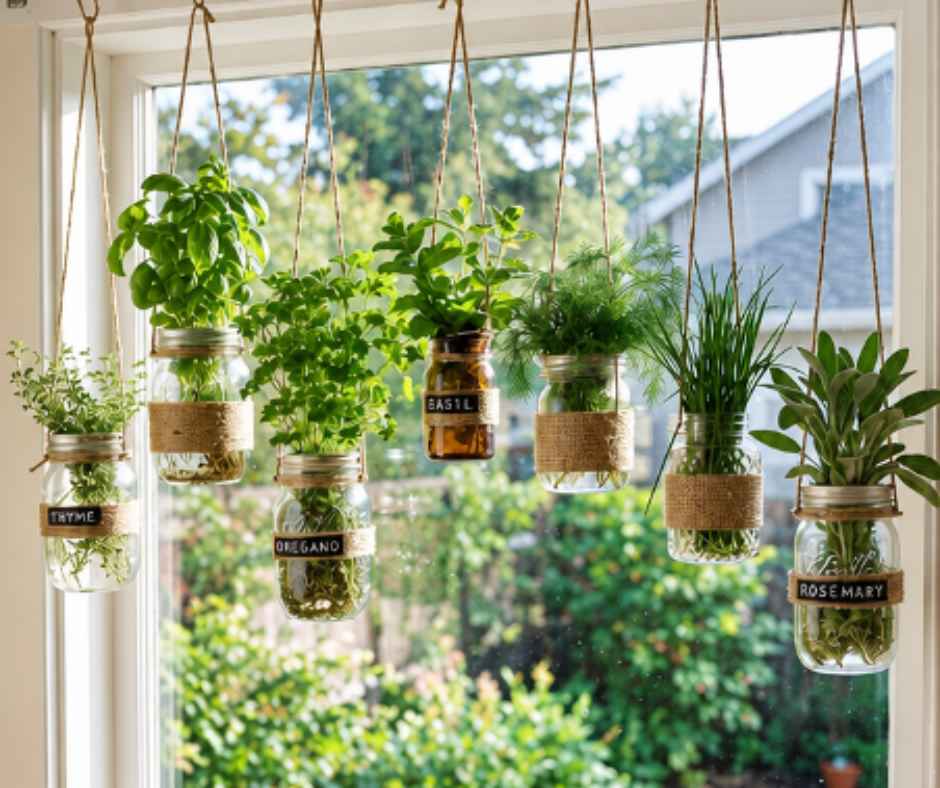
The hanging herb garden indoor is a beautiful way of bringing in greenery while leaving your countertops and shelves free. Some of the suitable options here are macrame plant hangers, ceiling hooks, hanging baskets, or a curtain rod with S-hooks. You can use them to hang your herb pots near a sunny window.
Trailing herbs like thyme when layered with different herbs will look very attractive in these hanging containers. The important thing to keep in mind here is that your hooks and hanging support are strong enough to handle the weight of pots, soil, and water.
Tiered Shelf and Countertop Herb Garden
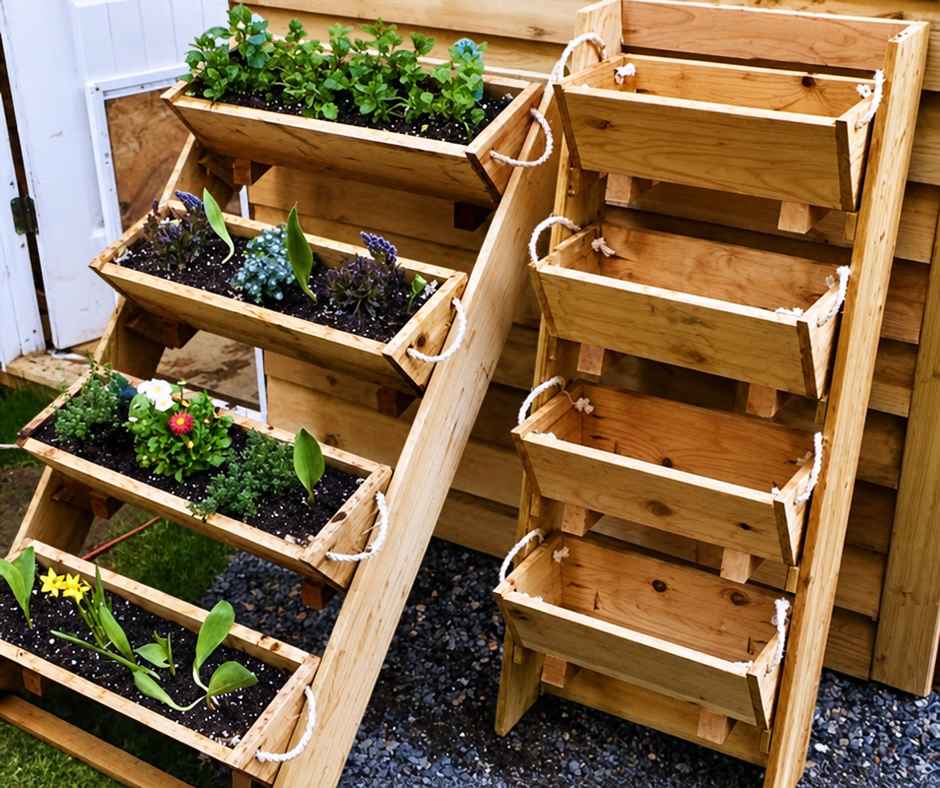
If you are one of those people who want all their plants to be arranged in one place, a tiered shelf or countertop herb garden is for you! This setup doesn’t take up much space as these plant stands or racks have multi-storey where you could put different varieties of herbs.
Put the taller plants on the top shelves, and smaller pots on the lower shelves based on their light requirements. The benefit of this structure is that you can also place extra saucers or waterproof trays under the containers to avoid excess water storage.
Best Herbs to Grow in an Indoor Herb Garden
The first thing that comes to growing herbs indoors for beginners is to choose the right herb for a successful indoor garden. I am going to make this decision easy for you! Below are some top culinary herbs that adapt well with the indoor conditions and are easy to maintain with proper light and watering.
Basil
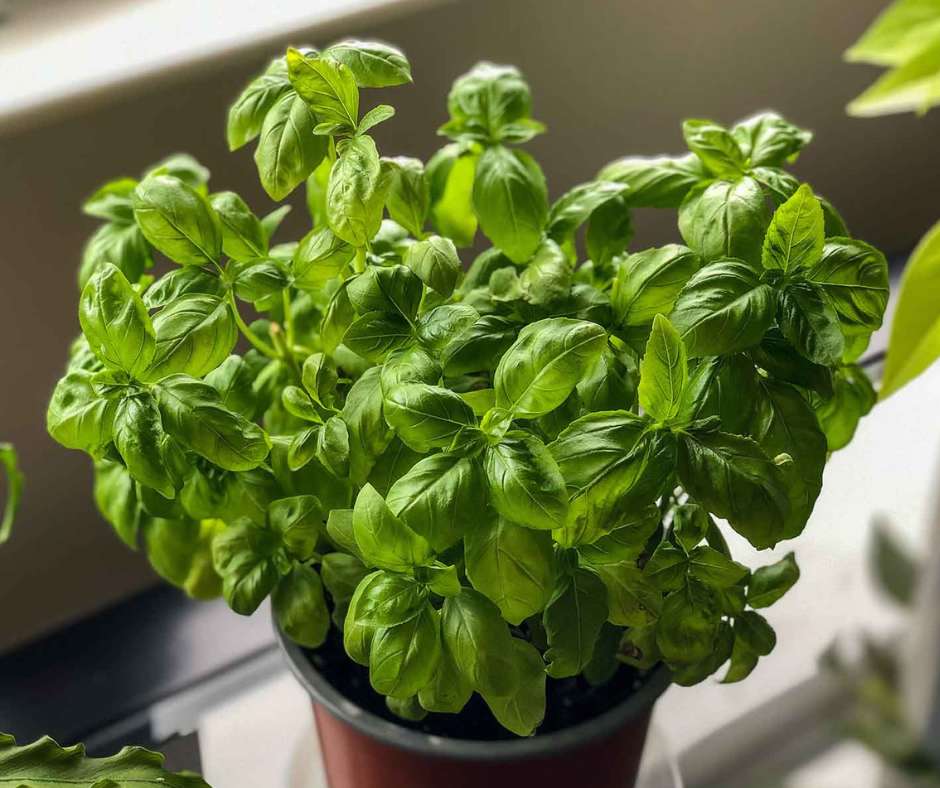
I find Basil to be one of the best herbs to grow indoors as it could be used in making pasta, pesto, salads, and homemade sauces. If you are a pasta lover like me and Basil could be your first ever herb that you would want to grow in your indoor space.
It requires a lot of sunlight and warmth, so put its pot near the most sunny window. Try to avoid overwatering as its soggy roots could damage the plant but keep the soil moist enough. Also, regularly pinch its growing tips for bushier growth and get fresh basil leaves every time.
Mint
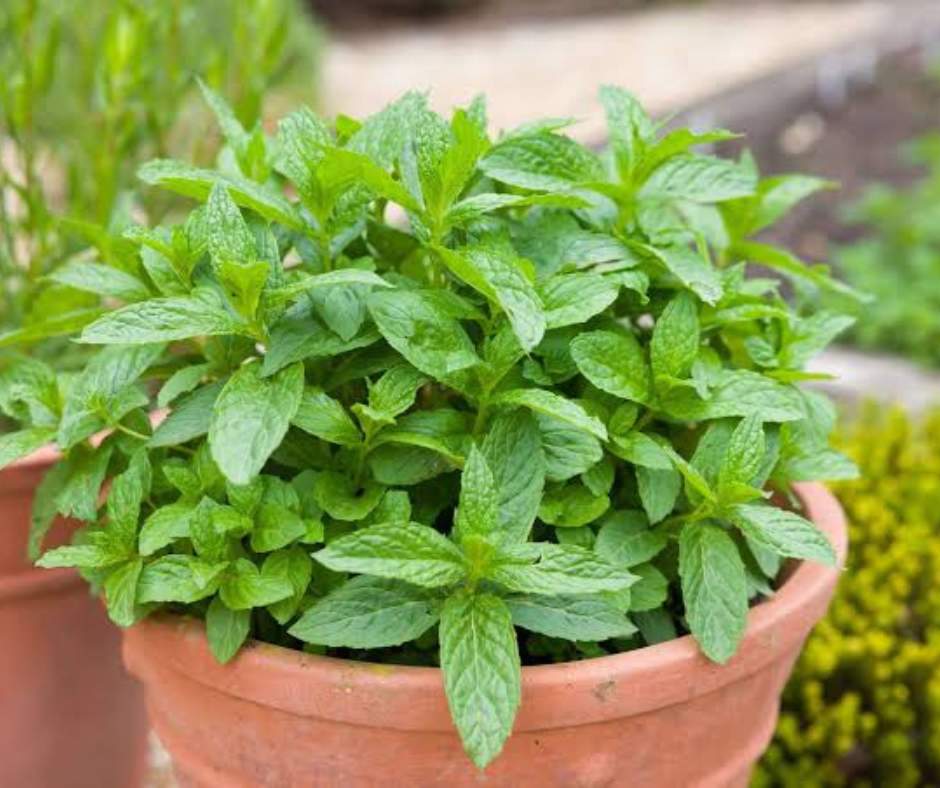
If you are a complete beginner then mint would be a very favorable herb for you as it grows very quickly. It is also a very versatile herb that you could use in your teas, lemonades, desserts, and salads regularly.
Unlike some culinary herbs, it can tolerate a lower amount of light but bright indirect light could help it grow out better. It grows out quickly so plant it in a separate container or a pot. Moreover, keep its soil moist consistently without leaving the bottom of the pot to collect too much water.
Parsley
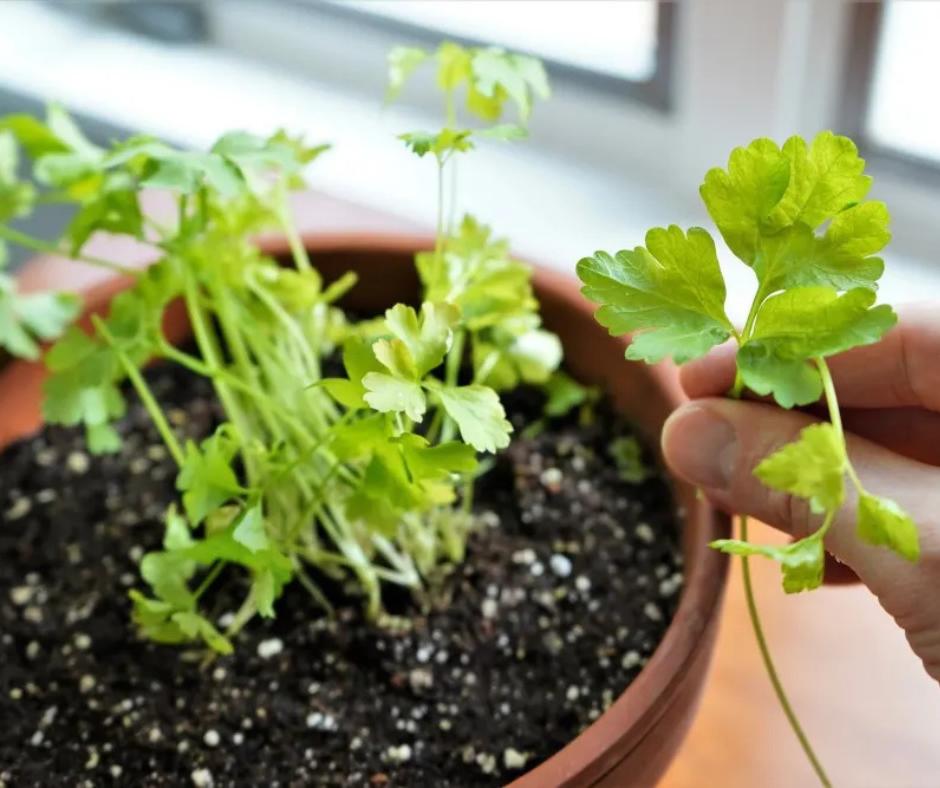
Another very useful herb that you could grow indoors is parsley which brings freshness to and slightly peppery flavor to soups, salads, pasta and many other dishes. You can grow it well in any container under several hours of sunlight so place it in the most bright spot.
Here, I will advice you to use well-draining potting soil and water so that the top layer can’t dry out. You can grow both curly and flat-leaf parsley indoors without much difficulty.
Rosemary
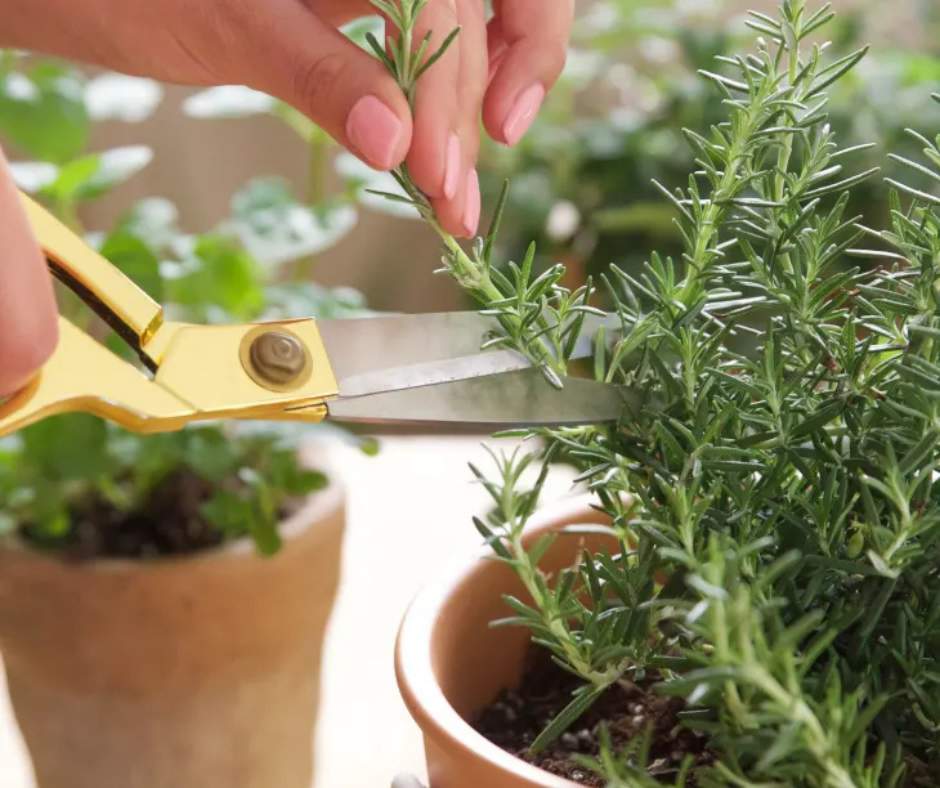
When you’re a fan of aromatic herbs, rosemary is the one for you to add in your indoor gardens. It could be added to your roasted vegetables, meats, soups, and even potatoes for enhancing their flavor.
This herb requires an extensive amount of sunlight, good air circulation, and well-draining soil as well. Rosemary doesn’t need too much moisture in its soil as compared to other herbs and you need to keep it dry between its watering schedules. For this, you can use a pot with a drainage hole and put it near a sunny window for better growth.
Thyme
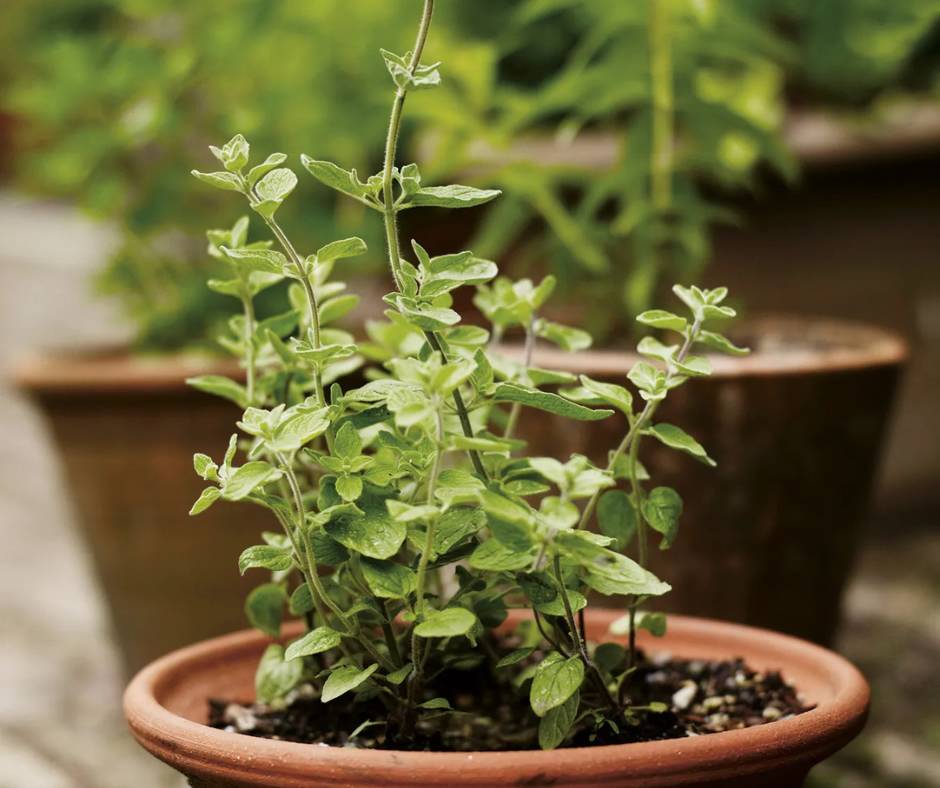
Thyme is the perfect low-maintenance compact herb for your small indoor garden space. This herb’s fragrant leaves are a good pair for roasted vegetables, sauces, soups, and various meat dishes.
This herb needs a lot of sunlight and well-draining soil for its best growth. But still don’t overwater it as it prefers a slightly dry growing condition. This herb is of compact size and you can easily use it with windowsill planters and in small kitchen containers.
Small Indoor Herb Garden Ideas for Kitchens and Compact Spaces
When your kitchen is very small with little to no space for accommodating herb plants, you just need some thoughtful planning! You can focus on the available light, unused corners, and some of the compact arrangements I talked about above. In addition to that, I am sharing some indoor herb garden ideas for small spaces and kitchen below:
Make Use of Available Kitchen Light
Use your most brightest kitchen window, preferably east- or south-facing to give your herbs enough natural light. In case your kitchen doesn’t have much sunlight exposure, consider preparing an indoor herb garden with grow light or install a small skylight above your herb plants. You can also put a narrow shelf beside your sunniest window as well.
Take Unused Kitchen Spaces Into Usage
You can make use of your ignored kitchen corners, narrow countertops, and the small spaces near the kitchen windows to fit in small herb pots. For this, select compact containers that you could squeeze in easily in those unused spaces and they won’t interrupt your cooking activities. If the space above your kitchen sink receives enough sunlight, then you can also use that for placing some of your herb pots.
Place Compact Planters for Small Spaces
In the worst case scenario if you don’t even have space for individual containers, then don’t fret! You can grow multiple herbs together by either using long window boxes or slim rectangular planters in this case. Keep in mind that they have at least minimum space required for their root development and plant growth.
Indoor Herb Garden Ideas With Grow Lights and Hydroponic Systems
If you want mess-free indoor herb gardening, then I recommend you purchase an indoor herb garden kit which would make the process really easy for you! These kits usually have everything including planters, seed pots, growing mediums, and even built-in LED lights. They are very convenient to use for beginners without any setup, so I myself started herb gardening with them.
But when you are in the mood of experimenting and want to be creative in your setups, a DIY indoor herb garden with grow light is a good option to consider. To create your own unique growing station, you can use a small shelve unit, individual herb pots, and LED grow light strips. This setup will be very helpful for you in case your kitchen is kinda shady and doesn’t get enough natural light.
Another way to grow your herbs is artificially like a hydroponic indoor herb garden. You will only require water and nutrient solution for this garden without any soil. These systems are best for compact homes and creates less soil mess while keeping the area organized. Additionally, use adjustable lights, an automatic timer, and enough space for this garden for best results so that you enjoy herbs throughout the year.
Conclusion
I am hoping if you reach here by now you might’ve found these indoor herb garden ideas useful in one way or another. These ideas when used properly will guide you throughout your herb gardening journey and bring fresh greenery in your home.
I know myself personally that it feels so good to use your own grown herbs in cooking and it makes the whole process even more enjoyable! Get freshly picked ingredients from your home even if you don’t have much space.
Use a mix of windowsills, hanging planters, vertical arrangements, or compact countertop setups for a beautiful herb garden in your small apartment or kitchen. You can also experiment with DIY containers, LED grow lights, and hydroponic systems for making the whole process easy.
As I already suggested, start with easy-to-grow herbs like basil, mint, parsley, and thyme. You can add on more herbs as you start to handle their lighting, spacing, and other needs well enough. So begin now, you’re just steps away from getting fresh flavors!
FAQs
Some of the best herbs to grow indoors are basil, mint, parsley, rosemary, and thyme. They could tolerate low lighting and home temperatures well. However, Basil may need lots of sunlight and warmth for better growth. Mint can survive under low light conditions but grows out too quickly, so watch out for that. Parsley also needs several hours of sunlight but with water-draining potting soil but easy to grow out from seeds.
You should avoid planting Fennel, an allelopathic plant with other herbs or plants as it releases natural chemicals into the soil. These chemicals literally kill the growth of every other herb and vegetable plant. So, always plant it in a separate container or pot. Mint also adds to this category as it grows and spreads out aggressively that could crowd other herbs or plants. Thus, mint also needs a separate container or pot besides not letting the flavors get mixed up either.
The three herbs that grow well together are rosemary, thyme, and oregano as they all have the same Mediterranean growing needs. In this trio, rosemary grows tall and woody giving a structure that needs little water, while thyme stays close to the ground acting as a living ground cover which retains the soil moisture. On the other hand, oregano is the one that spreads out nicely and also loves dry, well-drained soil, and complete sunlight.
The ‘mother of all herbs’ is Plectranthus amboinicus (formerly classified as Coleus amboinicus). It is a thick-leaved, semi-succulent, and very highly aromatic perennial plant that belongs to the mint family (Lamiaceae). Although, due to its different scent and flavor profiles, it has other regional and common names as well.
There is no one best layout in general for a herb garden as it totally depends on your space and how frequently you want to use your grown herbs. But to name a few, kitchen-close border garden, checkerboard/geometric garden, rectangular raised beds, traditional quadrant layout, and container & pot groupings are there.
